


It's one of the most common questions people ask when they start drinking protein shakes.
Should you mix your protein powder with water or milk?
The short answer is that neither is "better". It all comes down to what you're trying to achieve, how you like your shakes to taste and when you're drinking them.
If you're looking for the lowest-calorie option, water is hard to beat.
It contains no calories, mixes easily and lets the flavour of your protein powder come through. It's also absorbed slightly faster, making it a popular choice after a workout, although the difference isn't as significant as many people think.
If you're watching your calorie intake or simply want something light and refreshing, water is a great option.
Milk offers a different set of benefits.
It creates a creamier texture, makes your shake feel more filling and naturally adds extra protein, carbohydrates and nutrients such as calcium. Depending on the type of milk you choose, you'll usually add between 80 and 150 calories to your shake.
For many people, that isn't a bad thing. If you're trying to build muscle, increase your daily calories or simply want a more satisfying breakfast, milk can be an excellent choice.
Semi-skimmed milk is often a good middle ground, offering extra protein without adding quite as many calories as whole milk.
Plant-based milks are another option if you avoid dairy or simply prefer the taste.
Unsweetened almond milk is one of the most popular choices because it's low in calories while still giving your shake a slightly creamier texture than water. Oat milk tends to be naturally sweeter, while soya milk offers one of the highest protein contents among dairy alternatives.
Here's a quick comparison.
| Mixed With | Calories* | Texture | Extra Protein |
|---|---|---|---|
| Water | 0 | Light | None |
| Unsweetened almond milk | Around 25-40 | Light and creamy | Small amount |
| Semi-skimmed milk | Around 95 | Creamy | Around 7g |
| Whole milk | Around 130 | Rich and creamy | Around 7g |
| Soya milk | Around 80 | Creamy | Around 6g |
| Oat milk | Around 90 | Smooth | Around 2g |
*Approximate calories per 250ml.
Another thing worth thinking about is when you're having your shake.
If you're drinking one immediately after training or during a busy day, water keeps things simple and easy. If you're replacing breakfast or need something that will keep you full until lunch, milk is often the more satisfying option.
Taste also plays a part.
Chocolate protein powder mixed with milk can feel like a chocolate milkshake, while vanilla protein often works well with either water or milk depending on your preference. The best combination is the one you'll actually look forward to drinking.
There's no rule that says you have to stick with one or the other.
Many people use water after the gym and milk at home, depending on the situation. Others even use half water and half milk to get a balance between calories and creaminess.
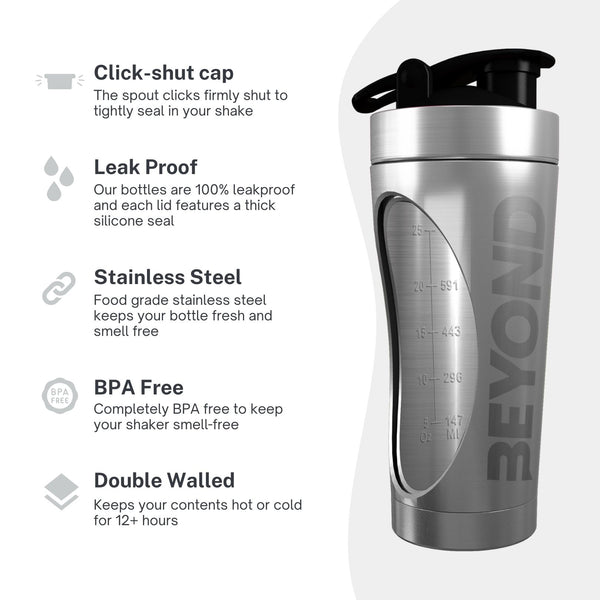
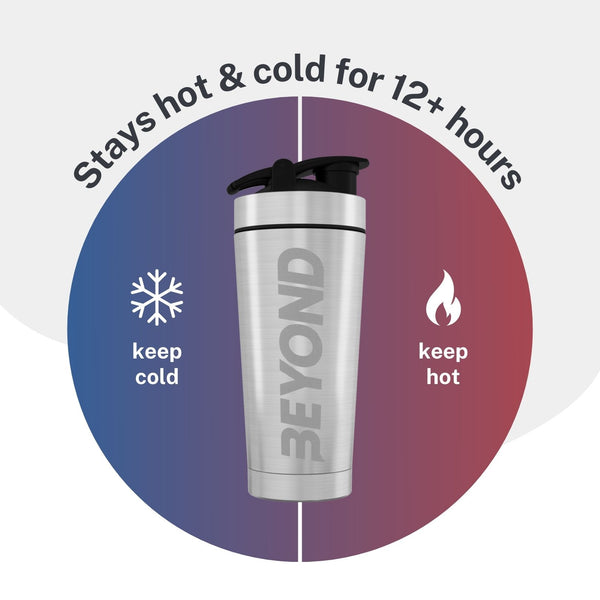
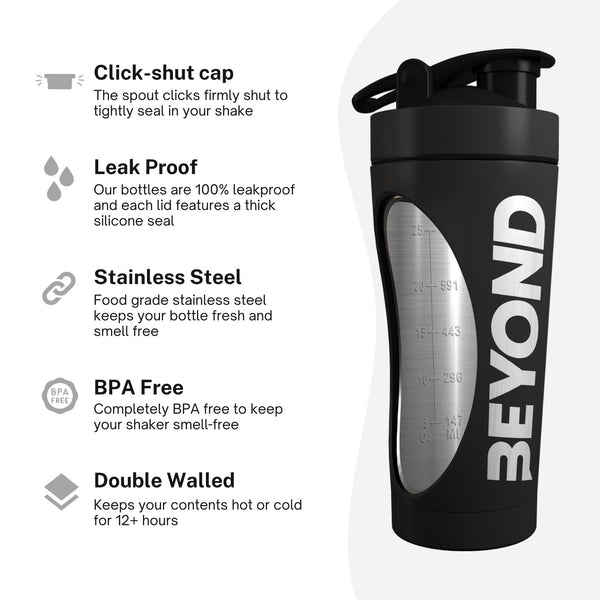
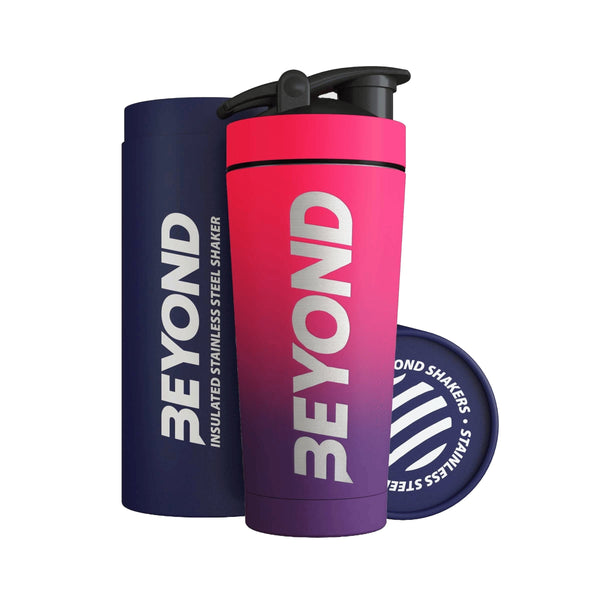
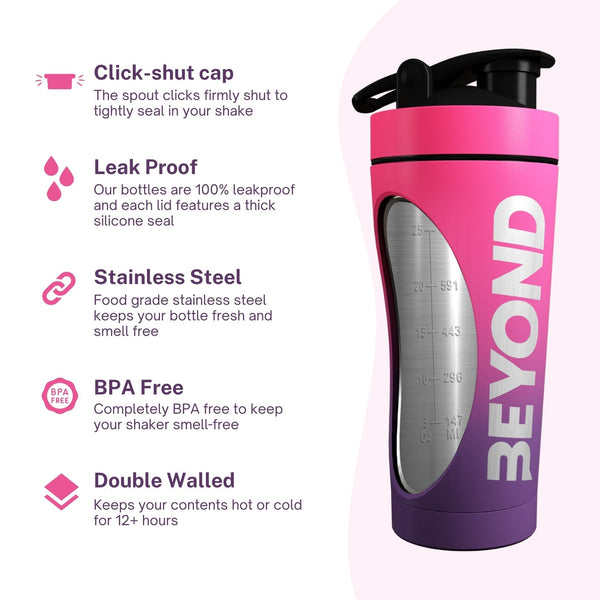
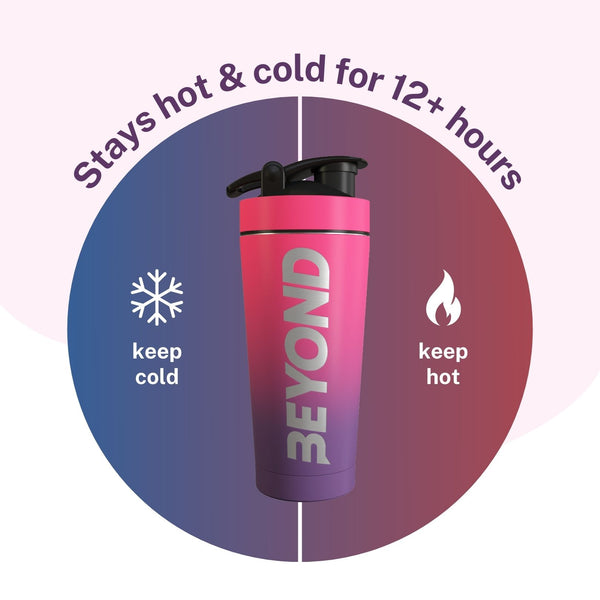
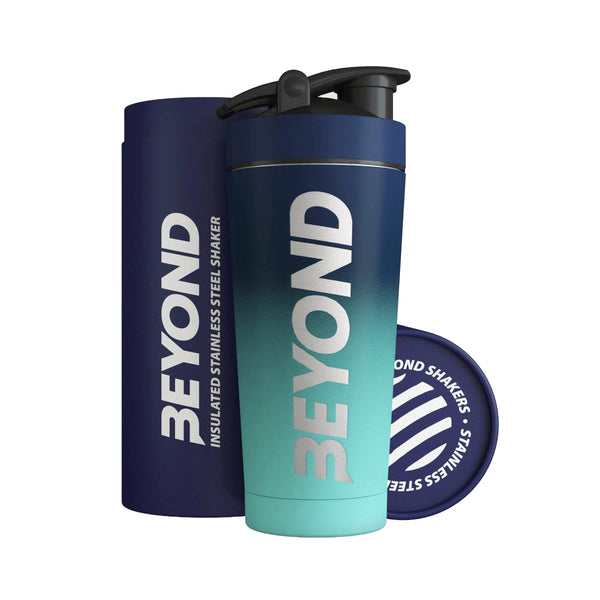
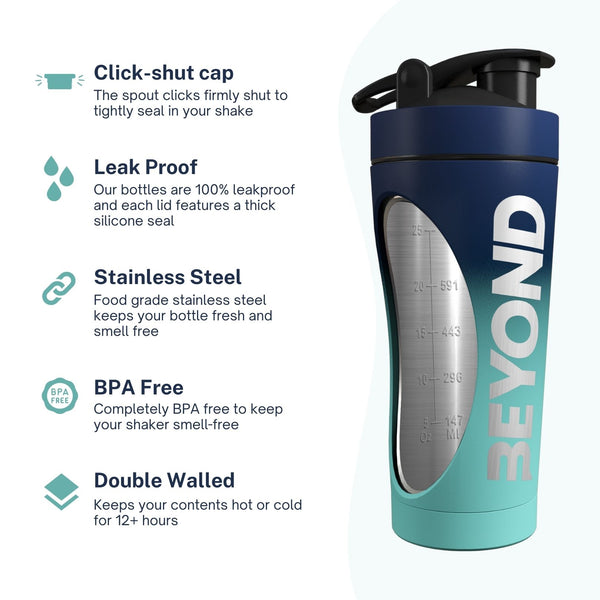
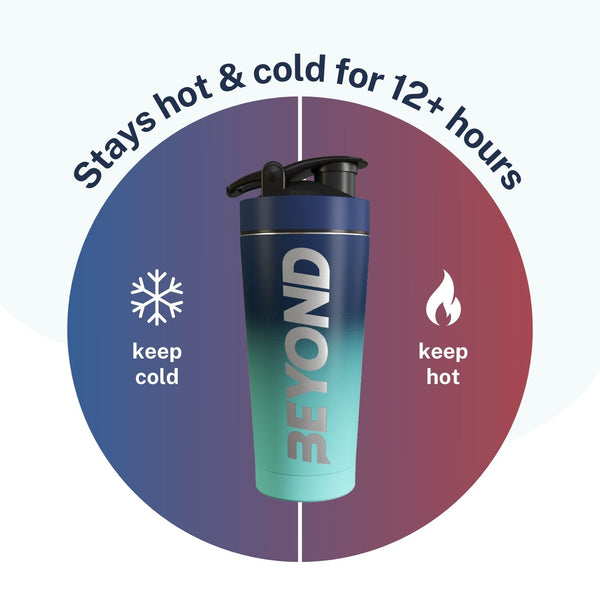
Whichever you choose, it's worth mixing your shake fresh when you're ready to drink it. It helps keep the texture smooth, and if you're taking it to work or the gym, an insulated shaker can help keep it cooler for longer without watering it down.
In the end, the difference between water and milk is much smaller than people often think. Consistently hitting your daily protein target is far more important than what you mix it with.
Choose the option that fits your goals, tastes good to you and makes it easier to stick with healthy habits over the long term.
Share:
How Much Protein Do You Actually Need?
Do Gym Towels Really Make a Difference?